Electronics Recycling Houston: Professional Electronics Recycling Services in Houston for Organizations
Eco-Friendly Electronics Recycling: Safeguard the Planet While Disposing of Your Devices
The growing issue of e-waste presents substantial ecological obstacles. Many aging gadgets include harmful elements that can contaminate soil and water. Processing electronics delivers a solution by reclaiming valuable resources and reducing contamination. However, not all recycling methods are created equal. Comprehending the nuances of responsible disposal is crucial. Examining the impact and benefits of sustainable electronics processing demonstrates critical awareness that can shape individual choices and community patterns.
The Ecological Effect of E-Waste
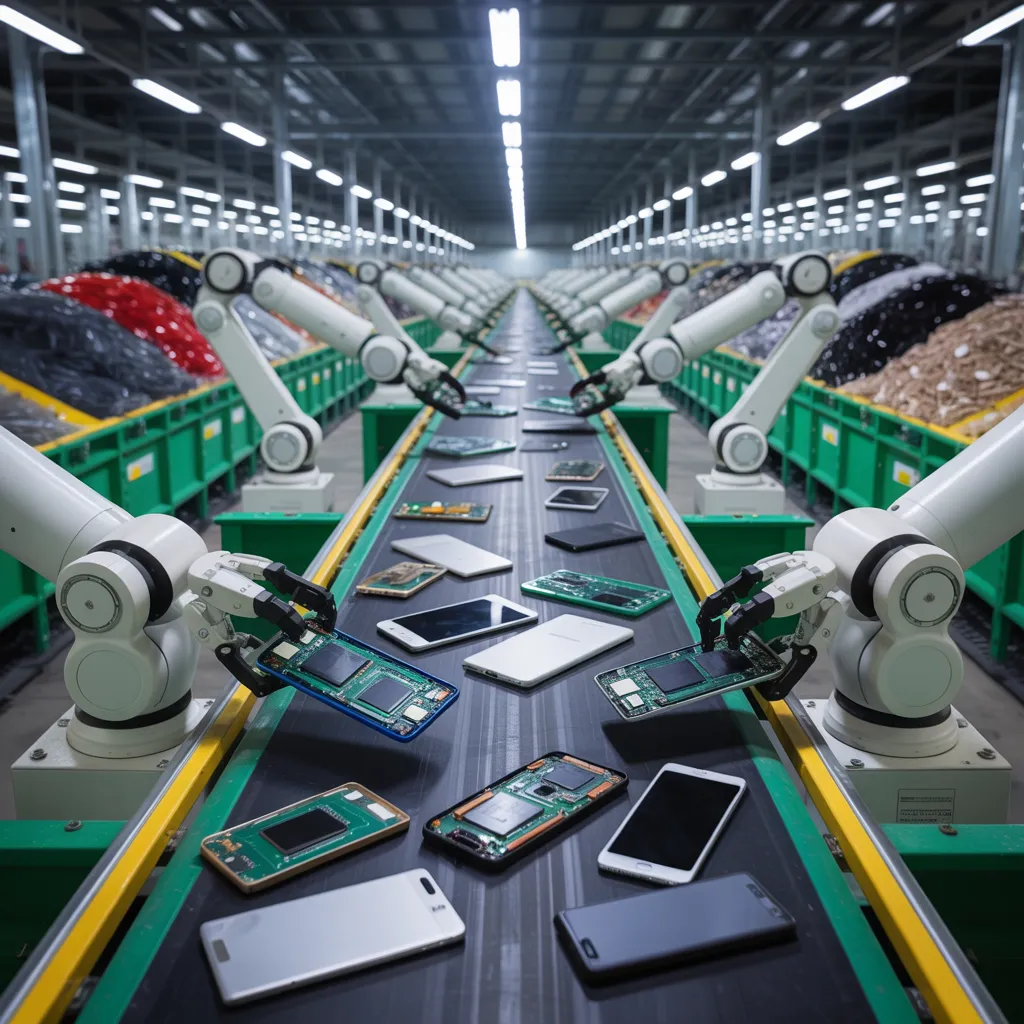
The increase in use of electronic devices has triggered a growing crisis: e-waste. This waste consists of discarded electronics that contain dangerous substances, including lead, mercury, and cadmium. When disposed of incorrectly, these substances can leach into soil and water systems, creating serious threats to human health and ecosystems. The buildup of electronic waste in landfills exacerbates these issues, as the breakdown of electronic components emits toxic chemicals into the environment. Additionally, e-waste leads to resource depletion; valuable metals like gold and copper are often lost rather than reused. In many regions, poor e-waste disposal methods further complicate the situation, leading to increased pollution and habitat destruction. As the demand for new technology continues to rise, the environmental impact of e-waste becomes a pressing concern, necessitating urgent action to mitigate its effects and promote sustainable practices in electronics disposal.
Why Electronic device Recycling Is important
Understanding the importance of electronics recycling is essential in dealing with the escalating e-waste crisis. As technology develops, the volume of discarded electronics continues to grow, causing significant environmental risks. Improper disposal can lead to hazardous materials leaching into soil and water, threatening ecosystems and human health.
Handling electronic waste alleviates these dangers by making sure that important materials, such as metals and plastics, are recovered and utilized. This process cuts down the requirement for new raw materials, thereby safeguarding natural resources and reducing energy consumption associated with production.
Additionally, recycling supports reducing greenhouse gas discharges connected to manufacturing. By advancing accountable disposal techniques, communities can build a mindset of sustainability and environmental stewardship. Ultimately, electronics recycling is not simply an alternative; it is an vital component of a comprehensive approach to establish a fresher, healthier planet for future generations.
Tips for Identifying Recoverable E-waste
In what manner can consumers distinguish which electronics are fit for recycling? Identifying recyclable electronics entails analyzing different factors. First, individuals should check for specific recycling symbols or labels, which denote the product's recyclability. Widespread recyclable items include smartphones, laptops, tablets, and televisions, as they tend to possess substances that can be reused.
Next, individuals should consider the age and condition of the device; outdated electronics are often more probable to be able to be recycled due to obsolescence. Furthermore, local regulations play a significant role; many cities provide guidelines on which devices can be reused.
To read the information summarize, reviewing manufacturer resources or recycling programs can help clarify which devices are qualified in recycling initiatives. By taking these steps, individuals can make informed decisions about their electronics, contributing to a more sustainable practice to waste management.
Green Electronics Elimination Steps
Confronting environmentally friendly device removal requires that you first pinpoint the classes of e-waste that necessitate proper handling. Then, selecting conscientious recycling selections ensures that these components are processed in an environmentally safe fashion. This approach not only curtails refuse but also advocates for sustainable activities within the populace.
Identify E-Waste Categories
E-waste comprises a wide array of discarded electronic devices that present environmental risks when not managed suitably. Common categories of e-waste include computers, laptops, smartphones, tablets, televisions, and printers. Household appliances such as microwaves, refrigerators, and air conditioners also fall into this category. In addition, smaller electronics like gaming consoles, chargers, and batteries make up the growing e-waste concern. Each item holds dangerous materials, including heavy metals and toxic substances, which can pollute the soil and water if thrown away carelessly. Identifying these types of e-waste is important for proper disposal, ensuring that individuals and organizations can take suitable steps towards sustainable recycling and environmental protection. Proper identification is the initial step in responsible e-waste management.
Select Responsible Waste Management Choices
Selecting careful recycling options is vital for minimizing environmental impact. Individuals should search for approved e-waste recycling locations that adhere to local and international regulations. These centers confirm that hazardous materials are handled properly, preventing soil and water contamination. Additionally, many companies provide take-back programs, allowing consumers to return old devices safely. Collaborating with community recycling efforts can also enhance responsible disposal practices, providing accessible options for everyone. It is crucial to evaluate and verify the credentials of recycling partners to make sure they emphasize eco-friendly practices. By deciding carefully and using available resources, consumers can help build a sustainable future while effectively dealing with electronic waste.
How to Pick the Top Electronics Waste Management Program?
When considering the best electronics recycling program, consumers should emphasize environmental responsibility and adherence with local regulations. A trustworthy program will comply with industry standards, guaranteeing that toxic substances are handled safely and conscientiously.
Also, people should examine the program's accreditation, such as R2 (Responsible Recycling) or e-Stewards, which show compliance with strict ethical and environmental guidelines. Transparency is also vital; programs should clearly outline their recycling processes and offer information on how materials are disposed of or reused.
Analyzing customer reviews and testimonials can deliver deep understanding into the program's reliability and effectualness. Also, availability and comfort are important factors; individuals should choose a program that is accessible and provides a variety of drop-off or pick-up options. In conclusion, choosing the right electronics recycling program not only supports sustainability efforts but also assures compliance with local laws and regulations.
Top Benefits of Reusing Your Electronics
Recycling electronics provides substantial environmental protection benefits by reducing dangerous materials and lowering environmental contamination. Furthermore, it serves an crucial part in resource conservation, allowing valuable materials to be retrieved and reused. These advantages highlight the significance of proper electronic waste handling in promoting a environmentally sound tomorrow.
Ecological Safeguarding Rewards
Electronics reprocessing plays a key role in environmental protection by greatly reducing electronic waste, which often contains harmful substances. When wrongly disposed of, these compounds can leach into soil and waterways, creating significant health risks for ecosystems and communities. By reusing electronics, harmful substances such as lead, mercury, and cadmium are safely managed, preventing pollution. Additionally, recycling helps decrease the demand for landfills, which often struggle with overflowing waste and contaminated discharge. Through responsible disposal practices, valuable components are recovered, promoting a cleaner environment. Moreover, sustainability efforts raise awareness about environmentally friendly habits, encouraging individuals and businesses to make sustainable decisions. Ultimately, electronics recycling fosters a healthier planet for future generations.
Resource Preservation Impact
Recycling electronics stands out as a vital method for resource conservation, significantly lowering the extraction of raw materials. Through reprocessing old devices, valuable metals like gold, silver, and copper are recovered and reused, which lessens the need for new resource extraction. This method not only protects natural habitats but also reduces energy consumption linked to mining and refining. Moreover, recycling electronics diminishes the environmental impact caused by waste disposal, since discarded devices often include hazardous substances. By promoting material reuse, recycling supports a circular economy, where resources are continually recycled rather than thrown away. Ultimately, electronic recycling plays a key part in sustainable resource management, making certain that future generations have access to necessary materials without using up the planet’s resources.
How to Promote Electronics Waste recovery Awareness?
Boosting knowledge of the importance of accountable e-waste treatment can materially alter environmental sustainability. Organizations and individuals can serve as essential partners in this movement by utilizing varied platforms to raise awareness the society. Social media initiatives, practical workshops, and community programs are effective mechanisms to relay information about the benefits of equipment recycling.
Working together with local schools, businesses, and environmental groups can enhance these efforts. Offering clear, accessible resources about recycling options, such as drop-off locations and collection events, inspires participation.
Influential narratives stressing the perils of negligent discarding and winning examples of effective recycling initiatives can speak to audiences. Additionally, supporting policies that promote recycling infrastructure and incentivize participation can create lasting change. By fostering a atmosphere of responsibility regarding electronic waste, advocates can help guarantee a stronger planet for future generations.
Questions That Get Asked Frequently
Can I Recycle Electronics Without Removing Personal Data First?
Discarding electronic equipment without removing confidential information is not advisable. Private data could be exposed by bad actors, leading to privacy breaches. Proper recycling encompasses data wiping or device destruction to assure personal information stays protected.
What Takes Place to My Equipment Post-Recycling?
Following recycling, equipment are broken down, with precious resources pulled out for reuse. Dangerous elements are securely treated, preventing ecological damage. Finally, reprocessing assures responsible disposal, protecting assets and decreasing landfill contributions while fostering environmental stewardship.
Do Costs Apply When Processing Electronics?
Fees for recycling electronics can vary by location and organization. Some facilities provide free services, while others may levy a small fee, especially for larger items or specific types of electronic waste.
How Frequently Should I Dispose of My Old Devices?
Individuals ought to think about disposing of their old devices every one to two years, or whenever they switch to new technology. Routine recycling helps reduce electronic waste and ensures responsible disposal of outdated electronics.
Can I Give Electronics Instead of Recycling Them?
Yes, providing electronics is a sound option instead of recycling. Various institutions accept functional devices, granting a second life to the items while serving those in need. Verifying they satisfy donation criteria is required.